

commodity
MCX Gold and Silver See Sharp Swings as Rupee Hits Record Low Against Dollar
MCX Gold, Silver13 hours ago

Reviewed and Rewrite by
Rudransh Sangwan


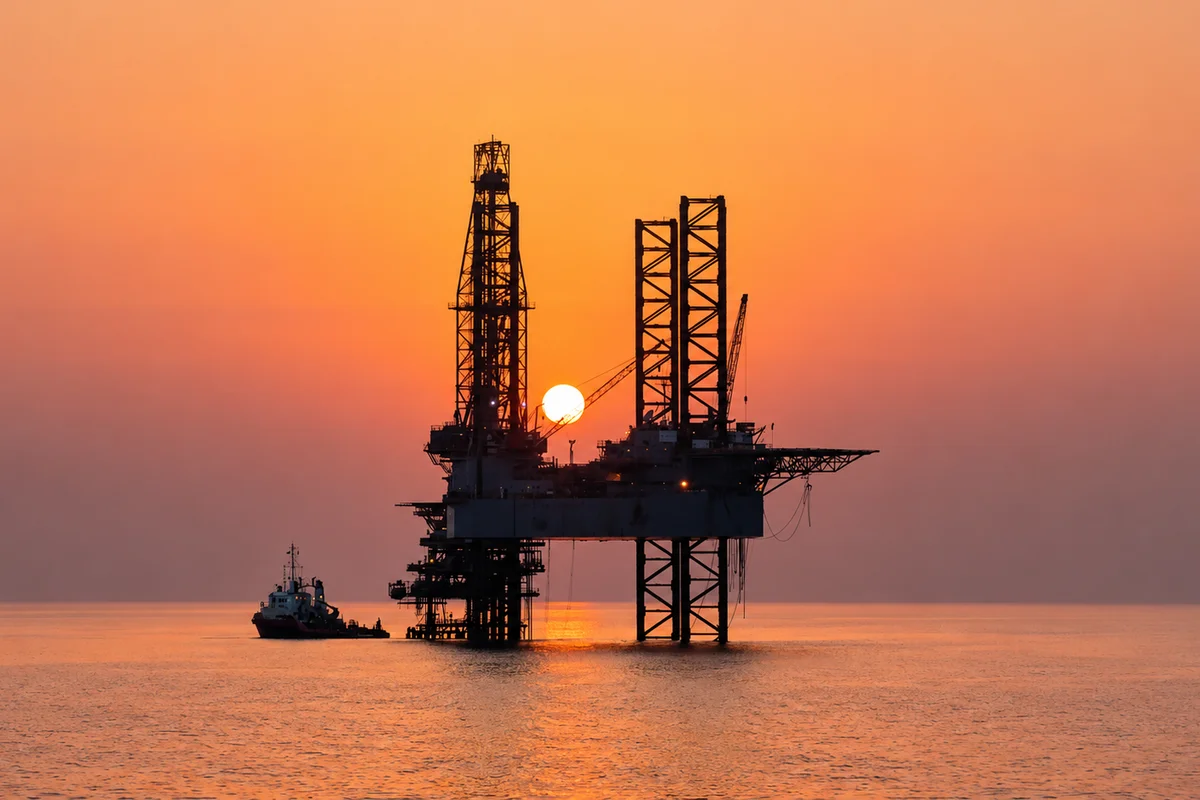
Crude oil prices crossed $110 on April 29, 2026, extending an eight-day rally driven by geopolitical tensions, Iran supply disruptions, and Strait of Hormuz constraints, signaling a structural shift in global energy markets with strong upside risks.
Global crude oil markets have entered a powerful rally phase, with prices crossing the $110 per barrel mark and extending gains for the eighth consecutive session. The surge reflects a combination of geopolitical tensions, supply disruptions, and tightening global energy flows, signaling a major shift in the macro environment.
As of April 29, 2026, benchmark crude prices have moved sharply higher, supported by persistent supply concerns.
| Benchmark | Price (USD) | Change |
|---|---|---|
| Brent Crude | ~$111.78 | +0.47% |
| WTI Crude | ~$100.50 | +0.57% |
| Trend | Strong Uptrend | 8-day rally |
The sustained upward movement highlights strong bullish momentum in global energy markets.
Key Takeaways
The current rally is not random but driven by multiple structural and geopolitical factors that are tightening global oil supply.
The biggest trigger behind the rally is the potential continuation of a US-led blockade targeting Iranian ports. This move is aimed at restricting Iran’s oil exports, which directly impacts global supply.
Iran plays a critical role in global energy markets, and any disruption to its exports creates immediate pricing pressure.
Key Takeaways
Strait of Hormuz is one of the most important oil shipping routes globally, handling nearly 20 million barrels per day.
Restricted movement through this route has significantly reduced energy flows, creating a supply shock.
Key Takeaways
The potential shift in production dynamics within OPEC, including concerns around key producers like the UAE, has added further uncertainty.
With limited spare capacity available globally, markets are increasingly sensitive to disruptions.
Key Takeaways
The recent rally shows a clear structural shift in oil pricing rather than a temporary spike.
| Factor | Impact on Price |
|---|---|
| Geopolitical tension | Strong bullish |
| Supply disruption | Strong bullish |
| Demand outlook | Stable |
| Speculative activity | High |
The trend indicates that markets are pricing in prolonged disruption rather than short-term volatility.
Key Takeaways
Rising oil prices have direct implications for global inflation and economic stability. Higher crude prices increase transportation and manufacturing costs, which eventually pass on to consumers.
For countries like India, which import a large portion of their oil, the impact is even more pronounced.
Key Takeaways
Global financial institutions have revised their oil price outlook upward, reflecting the seriousness of the current supply shock.
| Institution | Price Outlook |
|---|---|
| Goldman Sachs | $90 base case (Q4) |
| Macquarie | $110 potential upside |
| Nuvama Equities | $110–$150 scenario |
Analysts warn that prolonged disruption could push oil prices significantly higher if tensions escalate further.
Key Takeaways
The future direction of oil prices will depend largely on geopolitical developments and supply restoration.
If tensions ease and supply resumes, prices may stabilize. However, continued disruption could push oil into a higher trading range.
Key Takeaways
The move above $110 is not just a short-term spike but a reflection of a deeper structural shift in global energy markets. With supply chains disrupted and geopolitical risks elevated, oil prices are entering a new phase where uncertainty plays a dominant role.
This rally signals that energy markets are once again at the center of global macro dynamics.
Crude oil crossed $110 due to supply disruptions caused by geopolitical tensions, including a US blockade on Iranian exports and reduced shipments through the Strait of Hormuz.
The Strait of Hormuz is a key global oil transit route, and any disruption reduces supply, leading to sharp increases in oil prices.
Yes, analysts suggest that if geopolitical tensions escalate further and supply disruptions continue, oil prices could potentially rise toward the $150 range.
Higher oil prices increase import costs, weaken the rupee, and contribute to inflation, impacting both the economy and consumers.
The current rally appears structural, as markets are pricing in prolonged supply risks rather than short-term disruptions.


