

commodity
Kotak Securities Predicts Crude Oil Prices Could Surge to $120 Amid Global Tensions
13 hours ago
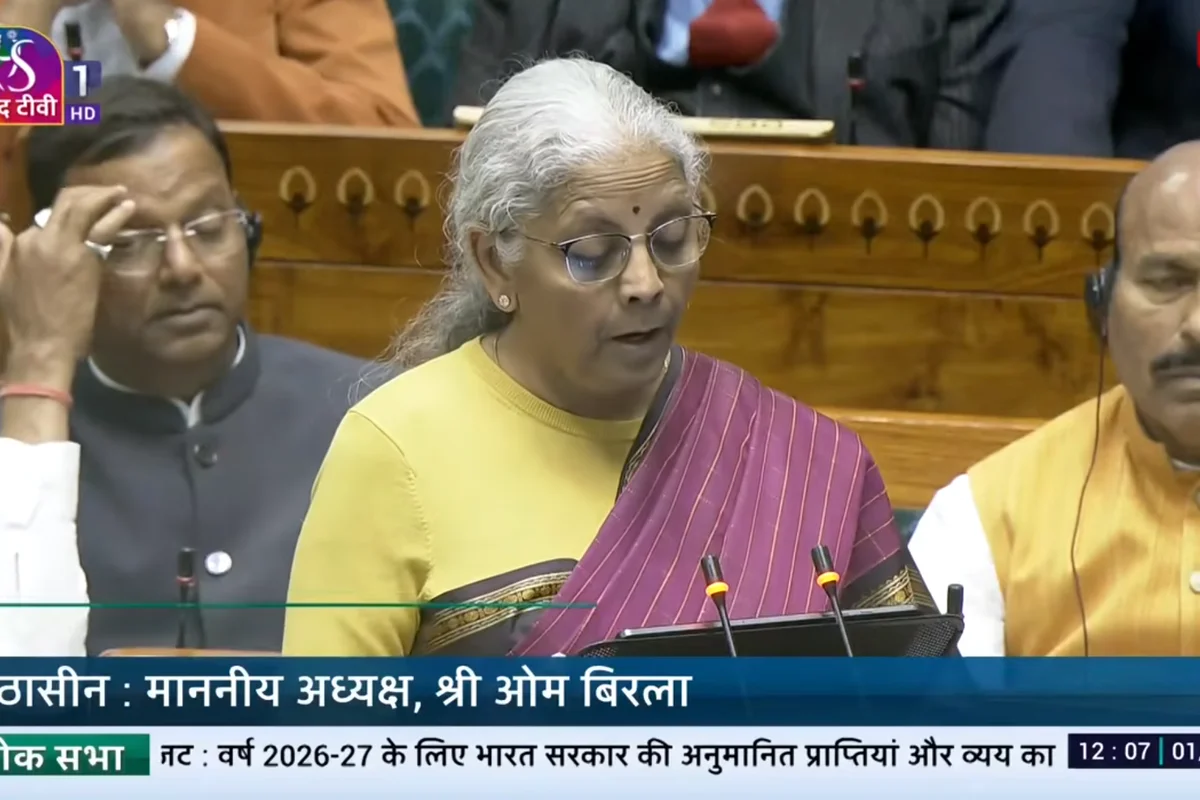
Finance Minister Nirmala Sitharaman’s historic Sunday budget (February 1, 2026) reinforces a strategic, long-term vision for India's transition to a developed economy by 2047. Built on three "Kartavyas" (Responsibilities)—growth, aspirations, and inclusion—the budget prioritizes structural reforms and high-tech manufacturing over populist giveaways.
Reviewed and Rewrite by
Reetesh Kumar


The Global Door Opens: India’s Strategic Pivot to Foreign Individual Investors
In a move designed to transform the DNA of India’s capital markets, Finance Minister Nirmala Sitharaman today announced a significant relaxation of foreign investment norms during the Union Budget 2026-27. By doubling the investment limits for individual Persons Resident Outside India (PROIs), the government is making a clear bid to diversify its sources of global capital and reduce its historic reliance on volatile institutional flows.
1. Doubling Down on "Global Indians"
The headline of the financial sector reforms is the overhaul of the Portfolio Investment Scheme (PIS). The government has proposed a two-fold increase in participation thresholds:
This reform targets the vast and affluent Indian diaspora and high-net-worth individuals across the Middle East, North America, and Europe. By allowing them to take more substantial "skin in the game," India is inviting a class of investors who are traditionally more patient and aligned with the country's long-term economic trajectory.
2. Why Now? The Fight for "Sticky Capital"
The timing of this announcement is no coincidence. The Indian market has recently faced a "liquidity test," with Foreign Portfolio Investor (FPI) outflows reaching nearly historic lows due to global interest rate shifts and currency volatility.
3. Business Impact: A Lifeline for Mid-Caps
For Indian corporates, especially in the Mid-cap and Small-cap segments, this policy is a potential game-changer.
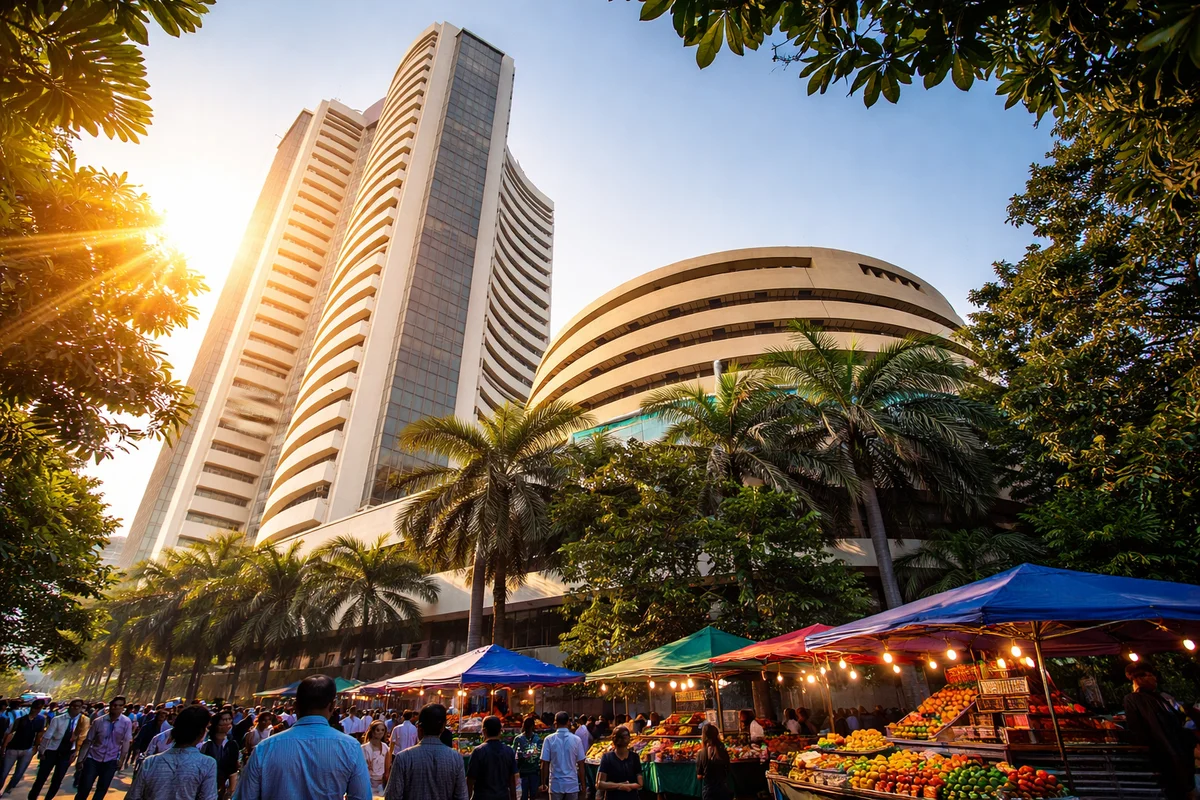
[Image comparing Foreign Portfolio Investment (FPI) vs. Individual Foreign Resident (PROI) investment characteristics]
4. Strategic Context: Competitive Global Landscape
As 2026 sees intensifying policy competition across Asia, India is signaling its openness. The move aligns with the SWAGAT-FI (Single Window Automatic and Generalized Access for Trusted Foreign Investors) framework introduced earlier, aimed at slashing red tape for low-risk global participants.
"This isn't just a tactical move to fill the FPI gap; it’s a structural evolution. We are telling the world that the Indian growth story is now open for direct individual participation, not just through a fund manager's lens." — Market Strategy Analyst, Mumbai
Looking Ahead: The Execution Road
The success of this reform will hinge on the ease of onboarding. Investors will be watching for:
Research Summary Table
| Feature | Old Limit (Pre-2026) | New Limit (Budget 2026) | Strategic Impact |
|---|---|---|---|
| Individual PROI Limit | 5% | 10% | Enables larger personal stakes. |
| Aggregate PROI Cap | 10% | 24% | More headroom for foreign capital. |
| Primary Target | Institutional FPIs | NRIs & Global Individuals | Focus on long-term, stable capital. |